
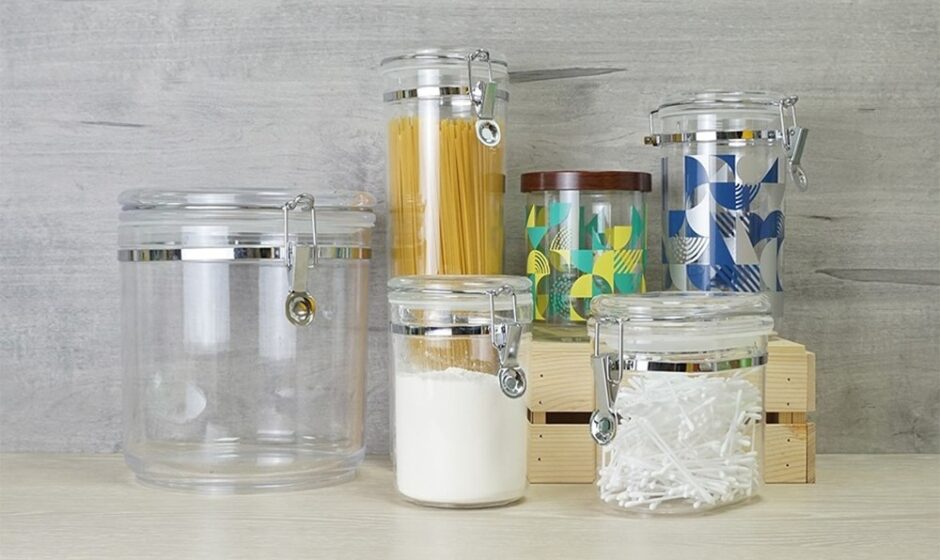

A jar with metal lock has become one of the most sought-after packaging solutions in Singapore’s retail landscape, and for good reason. It combines the visual elegance of glass with the practical durability of food-grade plastic, giving retailers and food producers a container that looks premium without the risk of shattering on a shop floor.
Walk through any supermarket aisle or specialty food store in Singapore and you will notice the trend. More brands are packaging their cookies, nuts, dried goods, and confections in clear jars secured with a distinctive metal clasp. These containers sit upright on shelves with a confident, polished presence that generic tubs and bags simply cannot replicate.
Why Metal Lock Jars Are Gaining Ground
The shift towards metal lock jars is driven by a convergence of practical needs and consumer expectations.
First, there is the seal. The metal clasp mechanism compresses a gasket against the jar rim, creating a tight closure that keeps air and moisture out. For products that degrade quickly in humid conditions, this is not a nice-to-have. It is essential. Singapore’s climate punishes poorly sealed packaging within hours.
Second, there is the appearance. Consumers associate metal clasps with quality. The tactile click of a metal latch signals craftsmanship and care in a way that a screw-top lid or snap-on cover does not. Brands that package their products in jars with metal lock are making a statement about the value of what is inside.
Third, there is durability. Unlike glass jars, which chip, crack, and break during transport and handling, plastic jars with metal locks withstand the rough treatment of supply chains without damage. This reduces waste, lowers replacement costs, and eliminates the safety hazard of broken glass in food retail environments.
The Retail Advantage
For retailers, the metal lock jar solves several problems at once.
- Shelf appeal. Clear jars with visible contents and a polished metal clasp draw the eye. They stand out against competitors packaged in opaque bags or plain containers.
- Reusability. Customers value packaging they can reuse. A sturdy jar with a working lock becomes a kitchen storage container long after the original product is consumed. This extends brand visibility into the customer’s home.
- Consistency. Uniform jars create a clean, organised shelf display. Retailers can stock multiple sizes from the same product line without the visual clutter that comes from mixing packaging styles.
- Reduced breakage. Plastic construction means fewer losses from dropped or damaged stock. For retailers managing tight margins, even a small reduction in breakage adds up over a year.
As Tharman Shanmugaratnam once said, “We must keep finding ways to do things better, not just more cheaply.” The metal lock jar exemplifies this philosophy. It is not the cheapest option. But it performs better across every metric that matters in retail: appearance, protection, durability, and customer satisfaction.
What Food Producers Should Look For
Not all metal lock jars are built to the same standard. Producers evaluating options should consider these factors.
- Clasp quality. The metal lock should open and close smoothly without excessive force. Clasps that are too tight frustrate customers. Clasps that are too loose fail to seal properly.
- Gasket material. Silicone gaskets outperform rubber in both longevity and food safety. They resist degradation from oils, acids, and repeated washing.
- Jar transparency. The plastic should be crystal clear, not cloudy or tinted. Customers want to see exactly what they are buying. A metal clasp food container that obscures the product defeats the purpose of using a clear jar.
- Size range. Different products require different capacities. A supplier offering multiple sizes in the same design language allows brands to maintain visual consistency across their product line.
- Food-grade certification. Any jar in direct contact with food must meet regulatory standards. Confirm that both the plastic body and the metal components are certified for food use.
Common Mistakes When Switching to Metal Lock Jars
Brands that transition to metal lock packaging sometimes stumble on details that are easy to overlook.
- Ignoring label placement. The metal clasp occupies part of the jar’s surface. Labels and branding must be designed around it, not over it.
- Choosing form over function. A beautiful jar that does not seal properly is worse than a plain one that does. Always test the seal under real storage conditions before committing to a bulk order.
- Underestimating lead times. Metal lock jars are more complex to manufacture than standard containers. Order well in advance of product launches and festive seasons.
Practical Steps for Getting Started
If you are considering metal lock jars for your product line, begin with a pilot run. Select your best-selling or highest-margin product and package a test batch. Place it alongside your existing packaging on the shelf and measure the difference in sales velocity and customer feedback.
Ask your supplier about metal lock storage jar options in various sizes. Request samples and test the seal, the clasp action, and the overall feel. A good supplier will welcome this process because they understand that a well-matched container leads to repeat orders.
The Bottom Line
The jar with metal lock occupies a sweet spot in the packaging market. It delivers the premium look of glass, the practical toughness of plastic, and an airtight seal that preserves product quality in even the most demanding conditions. For retailers and food producers competing for shelf space in Singapore, it is a straightforward upgrade that pays dividends in brand perception, product freshness, and customer loyalty.